SSL Certificates Explained: Why Every Pakistani Business Website Needs One
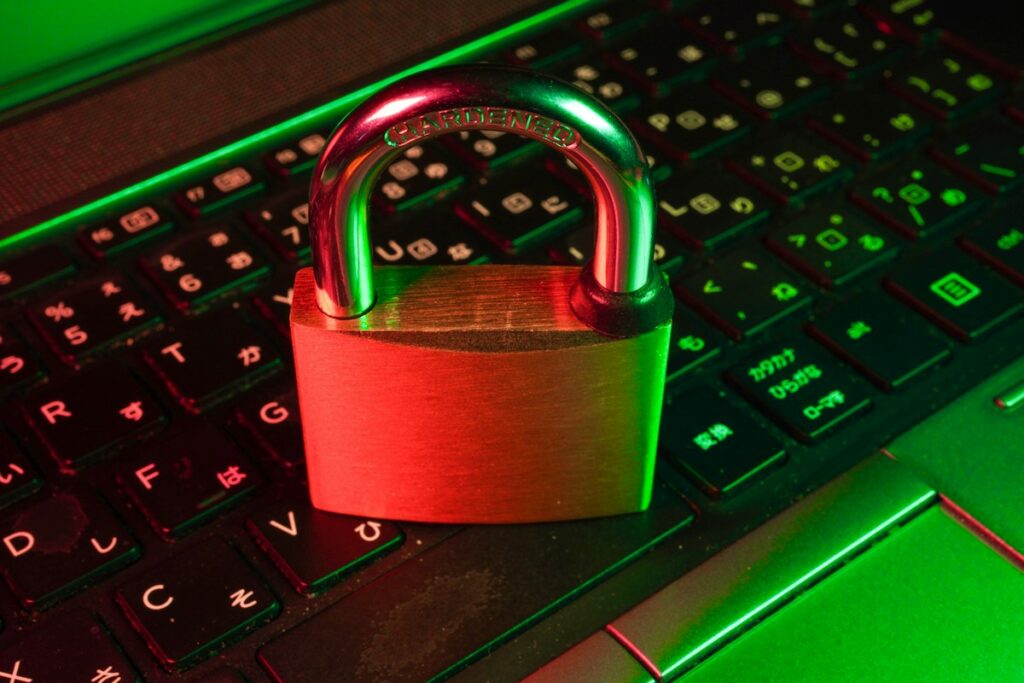
If you’ve ever noticed the little padlock icon next to a website’s address, or seen a browser warning that a site is “Not Secure,” you’ve already encountered SSL in action. Here’s what it actually does, and why it matters for your business.
What Is an SSL Certificate?
SSL (Secure Sockets Layer) — technically now called TLS, though the SSL name has stuck — is the technology that encrypts the connection between your website and your visitor’s browser. Without it, any data exchanged (like passwords, contact form submissions, or payment details) travels in plain, readable text. With it, that same data is scrambled so only your server and the visitor’s browser can read it.
Why Google Cares About SSL
Google has publicly confirmed that HTTPS (the secure version of HTTP, enabled by SSL) is a ranking signal. Beyond SEO, modern browsers like Chrome actively flag non-SSL sites as “Not Secure” directly in the address bar — a warning that can scare away potential customers before they even see your homepage.
Free vs Paid SSL: What’s the Difference?
Free SSL certificates (commonly issued via Let’s Encrypt) provide the same core encryption as paid certificates and are perfectly sufficient for most small business websites, blogs, and portfolios. Paid SSL certificates typically add:
- Extended or Organization Validation — your business name displayed in the certificate details, useful for building trust on e-commerce or financial sites
- Warranty coverage in case of a security breach related to the certificate
- Priority support from the certificate authority
- Wildcard or multi-domain coverage for businesses running several subdomains
Do You Need Paid SSL?
For most informational and small business websites, free SSL is genuinely enough. If you’re running an online store, processing payments directly, or want the added credibility of a verified business name in your certificate, a paid SSL certificate is worth the investment.
What Happens Without SSL?
- Browsers display a “Not Secure” warning to every visitor
- Your site may rank lower in Google search results
- Any data submitted through forms is vulnerable to interception
- Customers may abandon checkout on e-commerce sites with no visible padlock
Getting SSL Set Up
Every hosting plan should make SSL simple to enable — it shouldn’t require manual certificate files or command-line work on your part. At Edish, free SSL is included and auto-renewed across all our hosting plans, and we also offer paid SSL Certificates with extended validation for businesses that need that extra layer of trust. If you’re not sure whether your current site has SSL properly configured, reach out to our support team and we’ll check it for you.
Related Edish services
SSL Certificates Browse all hosting guides →
Popular in Pakistan: VPS Hosting in Pakistan · Shared Web Hosting in Pakistan · Business Email Hosting in Pakistan · Reseller Hosting in Pakistan · Website Development Services in Pakistan · Website Maintenance