When Do You Need a Dedicated Server? 7 Clear Signs (Pakistan Guide)
You need a dedicated server when your website or application has outgrown a VPS: your CPU or RAM stays maxed out, your database or traffic load keeps growing, you need strict security or compliance, or you want full control of the hardware. If none of that applies, a web hosting plan or VPS is almost always the smarter and cheaper choice.
What Is a Dedicated Server?
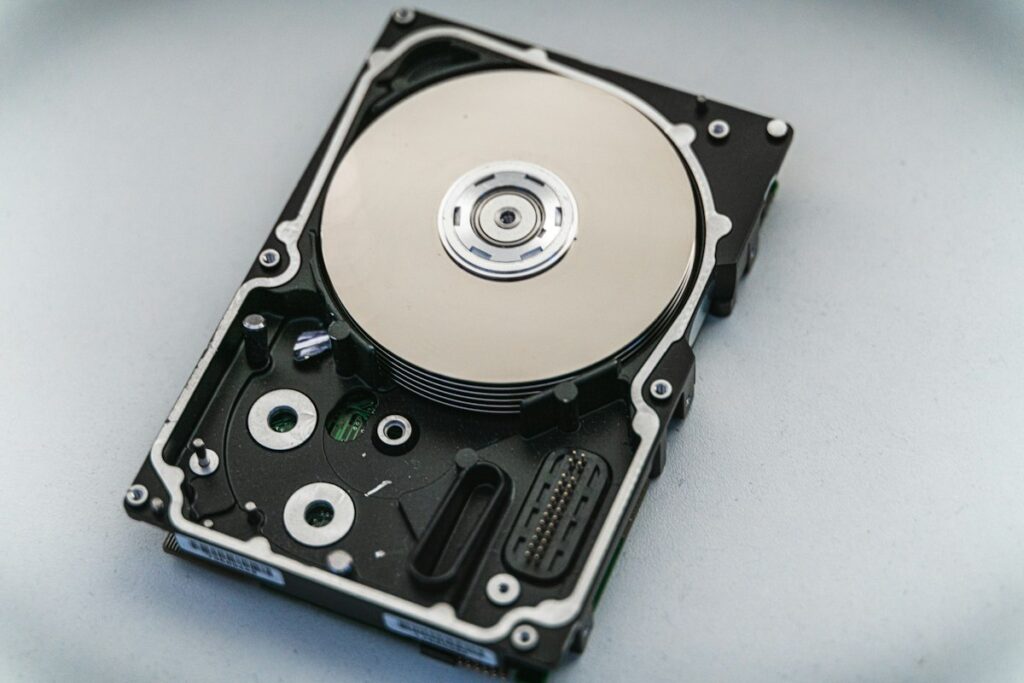
A dedicated server is an entire physical server reserved for one customer. Unlike shared hosting, where many sites share one machine, or a VPS, where one machine is split into virtual slices, nobody else uses your server’s CPU, memory, storage or network port. You get full root access and can choose the operating system and software.
7 Signs You Need a Dedicated Server
1. Your VPS is constantly at its limits
If CPU or RAM stays near 100% even after you have optimised your code, caching and database, and upgrading the VPS again only buys a few weeks, you are likely at the ceiling. Our guide on how much RAM and CPU a VPS needs helps you check whether it is a sizing problem or a real capacity problem.
2. Traffic is large and unpredictable
Busy online stores, news sites, portals and apps can see sudden spikes during sales or events. Dedicated hardware means those spikes are not competing with anyone else for resources.
3. You run a heavy database or application
Large MySQL or PostgreSQL databases, analytics workloads, game servers, streaming back ends and big e-commerce catalogues benefit from fast storage and plenty of memory that is entirely yours.
4. You need consistent, predictable performance
On shared platforms, a noisy neighbour can slow you down. With a dedicated server, performance depends only on your own workload.
5. You have strict security or compliance requirements
Some businesses must keep customer data on isolated infrastructure. A dedicated server gives you that isolation, along with the freedom to configure your own firewall rules and hardening. Pair it with DDoS protection if you are a likely target.
6. You need custom software or full hardware control
Custom kernels, specific operating systems, unusual ports or specialised software often require root access to a whole machine rather than a virtual slice.
7. You host many client sites
Agencies and resellers who have grown to dozens of sites sometimes move from reseller hosting to a dedicated server so they can control every setting for all clients.
When a Dedicated Server Is Overkill
A dedicated server is not an upgrade you earn by having a website. A small business site, a blog or a typical WordPress site is well served by shared or VPS hosting, as explained in our comparison of shared hosting vs VPS vs dedicated server. Dedicated servers also cost more and, unless you choose a managed option, you must handle updates, security and backups yourself. Consider these questions before you move:
- Have you tried caching, image optimisation and database clean-up first?
- Is your slowdown caused by resources, or by a plugin or code problem?
- Do you have someone who can administer a server, or will you choose managed support?
What to Check Before You Choose
- CPU and memory: match them to your measured peak usage, not a guess.
- Storage type: NVMe drives are much faster than traditional disks for databases.
- Bandwidth and network port: check the commit and port speed.
- Security: ask about DDoS protection and remote console access.
- Support and replacement: confirm hardware replacement times and 24/7 support.
- Management level: decide whether you want unmanaged or managed support.
Edish Dedicated Server Options
Edish’s dedicated server plans start from Rs. 78,120 per month (prices on the live plan page may change). Plans include a 10 Gbps network interface, 300 TB bandwidth commit, 5 usable IPv4 addresses, DDoS protection, full root access, remote reboot and console access, 24/7 support, and optional fully managed support. Plan page details also list a 99.9% uptime guarantee and a 30-day money-back guarantee.
Frequently Asked Questions
When do you need a dedicated server?
You need one when your site or application has outgrown a VPS: sustained high CPU or RAM use, heavy traffic or database load, strict security or compliance needs, or a requirement for full hardware control and predictable performance.
Is a dedicated server better than a VPS?
A dedicated server gives you all of a physical machine’s resources with no neighbours, so performance is more predictable. A VPS is cheaper and easier to scale in small steps. Most small and medium websites run well on a VPS; dedicated servers suit demanding workloads.
What is the difference between a dedicated server and shared hosting?
On shared hosting many websites share one server’s resources. A dedicated server is one entire physical server reserved for a single customer, with full root access and no resource sharing.
Do I need technical skills to run a dedicated server?
You need system administration skills for an unmanaged server, such as updates, security and backups. If you do not have them, choose a managed option where the provider handles server management.
Not sure whether you have outgrown your current plan? Talk to the Edish team and we will help you size the right solution, whether that is a VPS or a dedicated server.
Related Edish services
Web Hosting Browse all hosting guides →
Popular in Pakistan: VPS Hosting in Pakistan · Shared Web Hosting in Pakistan · Business Email Hosting in Pakistan · Reseller Hosting in Pakistan · Website Development Services in Pakistan · Website Maintenance